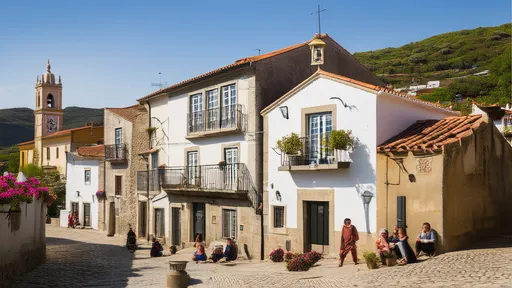
Deep in Portugal's Serra da Estrela mountains, there exists a place where mobile phones don't work, where television signals fade into static, and where life continues much as it did a century ago. Piódão isn't just remote—it's a living museum, a community that has consciously chosen to preserve traditions while the modern world races forward. The journey here isn't for the faint-hearted: winding mountain roads that challenge even experienced drivers, followed by footpaths that have remained unchanged for generations.
What strikes visitors first are the schist houses, their dark stone walls blending seamlessly into the mountainous landscape. The village appears to grow from the earth itself, with narrow cobblestone streets winding between structures that have stood for centuries. There are no neon signs, no chain stores—just the occasional candlelight flickering through windows as evening falls. Locals still gather at the single café each morning, discussing weather patterns and village news rather than global politics or stock markets.
Life here follows agricultural cycles rather than digital calendars. Most residents maintain small farms where they grow potatoes, corn, and vegetables using methods passed down through families. "My grandfather taught me how to read the weather in the clouds," says 72-year-old Maria, who has never left the region. "Why would I need a weather app when the sky tells me everything?" This practical wisdom extends to food preservation, herbal medicine, and building maintenance—skills that have largely disappeared elsewhere.
The community's self-sufficiency is remarkable. When someone's roof needs repairing, neighbors arrive with tools and materials. When a child is born, the entire village contributes to a traditional celebration that can last for days. Money changes hands rarely—bartering services and goods remains common practice. The local school has just twelve students, taught by a teacher who travels three hours daily from the nearest town. Children learn both standard curriculum and traditional crafts like wool spinning and cheese making.
Maintaining this way of life requires conscious effort. Younger generations face tremendous pressure to seek education and employment in cities like Coimbra and Lisbon. Village elder Antonio explains their solution: "We created a fund to help young people start small businesses here—a bakery, a weaving workshop, guided tours. They can make a living without abandoning their heritage." This approach has brought modest success, with several families returning after years in urban areas.
Tourism presents both opportunity and threat. The village welcomes visitors but limits numbers through practical means—there's only one small inn and a handful of rooms available in family homes. "We don't want busloads of tourists," says local guide Sofia. "We want people who genuinely want to understand our way of life." Visitors participate in daily activities rather than merely observing—helping with harvests, learning to bake traditional bread, joining evening storytelling sessions.
Beyond the romantic notion of escaping modern life, Piódão offers profound insights about community and sustainability. The village operates on principles of mutual dependence that urban societies have largely abandoned. Without constant digital stimulation, social bonds strengthen through face-to-face interaction. The pace of life allows for deeper observation and appreciation of natural rhythms—the changing seasons, animal behaviors, subtle shifts in weather patterns.
Perhaps most surprisingly, residents don't feel they're missing out. Young mother Catarina, who returned after university in Lisbon, observes: "In the city, I had everything at my fingertips but felt empty. Here, I work harder physically but feel richer in every way that matters." This sentiment echoes throughout the community, where people measure wealth in relationships and self-sufficiency rather than possessions.
Piodão's survival depends on navigating tensions between preservation and evolution. The community recently made strategic compromises—installing limited internet access at the school, improving road safety while maintaining the historic character, introducing solar panels discreetly placed on rooftops. These changes demonstrate their pragmatic approach: adopting technology that serves their values while rejecting what might undermine them.
As you walk back toward the modern world, the village's lessons linger. In our hyper-connected existence, we've lost something fundamental about human connection and living in harmony with our environment. Piódão reminds us that progress isn't always about moving forward—sometimes it's about remembering what we left behind. The mountains hold their secrets well, and this village continues to guard wisdom that the rest of us are desperately trying to rediscover.
For those seeking genuine escape from the relentless pace of modern life, this Portuguese sanctuary offers more than picturesque views—it provides a living example of how we might reclaim our humanity. The journey might be challenging, but the rewards transform how we understand community, time, and what truly matters in our brief lives.
You know that feeling when you start planning a trip and suddenly your browser has twenty tabs open, your notes app is a chaotic mess, and you're wondering if it's even worth the hassle? I've been there more times than I can count. The overwhelm is real, but it doesn't have to be that way. After years of trial and error—and plenty of travel mishaps—I've developed a system that takes the stress out of trip planning entirely. By the end of this, you'll have a clear, step-by-step approach to crafting your next adventure without the anxiety, from initial inspiration to walking out your front door with confidence.
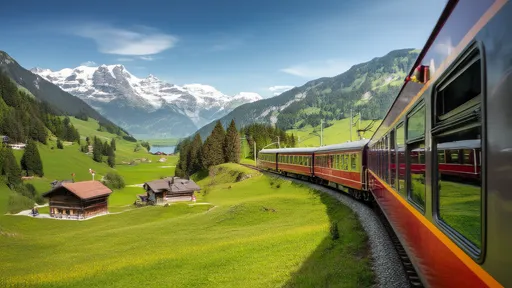
You've seen the photos. You've heard the whispers. That iconic train winding through impossible green valleys, past thundering waterfalls, and alongside pristine blue lakes. It’s the one journey that consistently tops bucket lists, and I’m here to tell you something crucial: it absolutely, unequivocally lives up to the hype. This isn't just another scenic route; it's a masterclass in landscape appreciation, an engineering marvel, and an experience that recalibrates your definition of beauty.
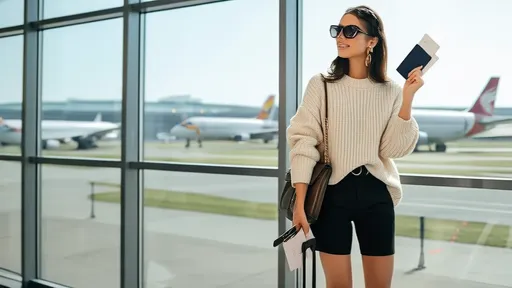
Let's be honest, long-haul flights can be a special kind of torture. You're trapped in a pressurized tube for hours, your skin feels like parchment, and your joints start to creak. The single most impactful decision you can make for your comfort and sanity happens before you even step foot in the airport: what you choose to wear. Your travel outfit is your first line of defense, and after more transatlantic flights than I can count, I've perfected a system that balances comfort, style, and practicality. By the end of this, you'll have a blueprint for an outfit that will make you feel put-together upon arrival while keeping you cozy enough to actually rest.
I almost missed the narrow alleyway entirely. Tucked between a bustling spice market and a traditional hammam in Marrakech's ancient medina, the unassuming wooden door gave no hint of the sanctuary that lay beyond. My taxi had dropped me off in what felt like another century, with donkeys carrying goods through labyrinthine streets, and I wondered if my luxury-seeking self had made a terrible mistake. Then I pushed that door open.
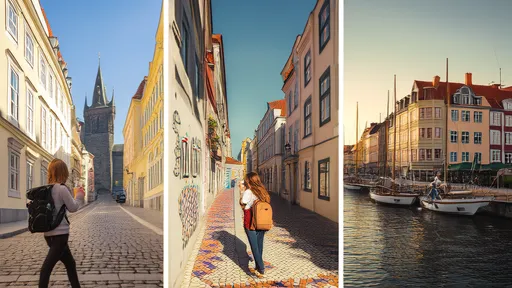
Traveling alone can feel daunting at first, but there’s something uniquely liberating about wandering cobblestone streets, discovering hidden cafés, and setting your own pace. If you’re considering your first—or next—solo adventure, Europe offers some of the most welcoming and captivating cities where independence feels like a superpower. From vibrant cultural hubs to serene historic centers, these three cities are tailor-made for those exploring on their own. By the end of this guide, you’ll know exactly where to stay, what to do, and how to soak up the local vibe safely and confidently.
I never thought a bowl of soup could redefine my entire perspective on Vietnamese cuisine until I stumbled into this unassuming pho spot tucked away on a quiet downtown corner. The moment you step inside, the aromatic symphony of star anise, cinnamon, and simmering bone broth wraps around you like a warm embrace. It's the kind of place where time slows down, where every spoonful tells a story of tradition, patience, and culinary artistry passed down through generations.
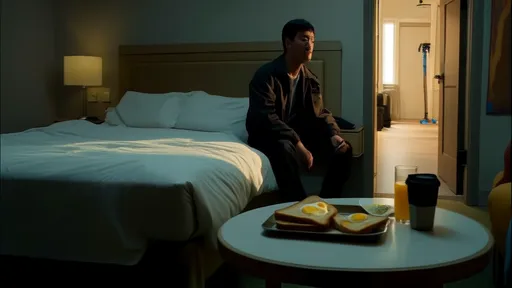
I used to be that person—the one who’d set the alarm extra early just to make it down for the hotel breakfast buffet before it closed. There was something comforting about the ritual: the clatter of plates, the scent of coffee, the promise of a hearty meal before a busy day. But over the years, I’ve learned to walk right past that dining room, and honestly, I don’t miss it one bit.
It started as a whim, really. A friend had been raving about this multi-day coastal walk for months, and I finally caved. I’d done plenty of day hikes before, but nothing that required carrying my life on my back for four straight days. The Three Capes Track in Tasmania isn’t the most grueling trek in Australia, but it’s the one that completely rewired my relationship with nature, challenge, and what I thought I was capable of. If you’ve ever felt stuck in a routine or disconnected from the natural world, this might just be the reset you didn’t know you needed.
Let's be real—asking strangers to take your photo can be downright cringeworthy. You hand over your expensive phone, strike an unnatural pose, and end up with a blurry shot where you're half out of frame. I've been there too many times. The truth is, solo travel photography doesn't have to mean settling for boring landscape shots or terrible selfies. With some simple techniques, you can capture professional-looking travel photos that actually include you in the scene.
You know that feeling when you stumble upon a place that feels like a well-kept secret? Tucked away from the tourist-clogged streets of Barcelona's Gothic Quarter, there's a tiny tapas bar where the sound of clinking glasses mixes with rapid-fire Catalan and the irresistible aroma of garlic and paprika. This is the real deal—the kind of spot where locals outnumber visitors five to one, and the bartender remembers your usual order after just two visits.
Let's be real, travel is amazing, but it can also be ridiculously expensive. Between flights, accommodation, and trying to actually enjoy the destination, your budget can vanish faster than you can say "bon voyage." I've been there, staring at my bank account after a trip, wondering where all the money went. The good news? You don't have to sacrifice incredible experiences to keep your finances in check. The secret lies in finding brilliant, high-quality alternatives—what I like to call "travel dupes"—for those notoriously pricey destinations and activities.
Deep in Portugal's Serra da Estrela mountains, there exists a place where mobile phones don't work, where television signals fade into static, and where life continues much as it did a century ago. Piódão isn't just remote—it's a living museum, a community that has consciously chosen to preserve traditions while the modern world races forward. The journey here isn't for the faint-hearted: winding mountain roads that challenge even experienced drivers, followed by footpaths that have remained unchanged for generations.
I used to dread early alarms as much as anyone. The thought of dragging myself to the airport while most people are still dreaming felt like a form of self-inflicted torture. That was until I realized something crucial: those ungodly morning hours hold the key to a smoother, cheaper, and altogether more pleasant travel experience. After years of trial and error, I've become a convert. Booking the first flight out isn't just a preference; it's my secret weapon for avoiding the chaos that defines modern air travel.
You know that feeling when you're packing for a trip and you wonder if that new gadget you saw online is actually worth the precious suitcase space? I've been there too many times to count. After testing dozens of travel products that promised the world but delivered disappointment, I finally found one that genuinely lives up to the hype. By the end of this read, you'll understand exactly why this gadget has become my non-negotiable travel companion and how it can transform your next adventure from stressful to seamless.
The Unspoken Truths of Iceland's Weather You've seen the pictures - dramatic waterfalls, black sand beaches, and northern lights dancing across the sky. What those stunning photos don't show is how Iceland's weather can completely derail your carefully planned itinerary if you're not prepared. I learned this the hard way when my dream hike to Fjaðrárgljúfur canyon got canceled due to sudden 100 km/h winds.
You haven't truly experienced New York City until you've seen its skyline from above, cocktail in hand, as the sun dips below the horizon. The city's rooftop bar scene offers some of the most breathtaking urban panoramas in the world, transforming a simple drink into an unforgettable event. From glittering skyscrapers to iconic bridges, these elevated oases provide the perfect backdrop for everything from a romantic date to a casual after-work gathering. By the time you finish reading, you'll know exactly where to find the best views, how to secure those coveted seats, and what to order when you get there.
I used to think solo travel meant eating alone, wandering museums in silence, and spending evenings scrolling through my phone in a hostel bunk bed. The freedom of traveling by myself was incredible, but the loneliness would inevitably creep in around day three. I'd watch groups of friends laughing over dinner and wonder if I was missing some secret traveler handshake.
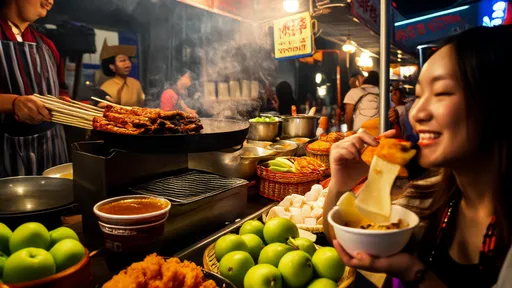
I thought I knew Thai food. I'd cooked from recipe books, visited local Thai restaurants, and even tried my hand at a green curry at home. But nothing, and I mean nothing, could have prepared me for the sensory explosion of a guided food tour through Bangkok's legendary Or Tor Kor Market. This wasn't just eating; it was a full-blown cultural immersion, a masterclass in flavors, textures, and scents that completely redefined my understanding of what Thai cuisine could be.
I was that person in the airport security line, sweating and struggling with a bag that clearly violated every known weight limit. My shoulders ached, my back was killing me, and I had that sinking feeling that I'd probably forgotten something crucial anyway. Sound familiar? Overpacking isn't just a minor inconvenience; it's a self-inflicted travel nightmare that robs you of joy before your trip even begins.
You know that sinking feeling when you search for flights, see sky-high prices, and assume you're just destined to pay a fortune? I used to feel that way too, until I cracked the code on finding fares that most travelers never even see. The secret isn't about some magic app—it's about understanding how airline pricing really works and playing the system to your advantage.