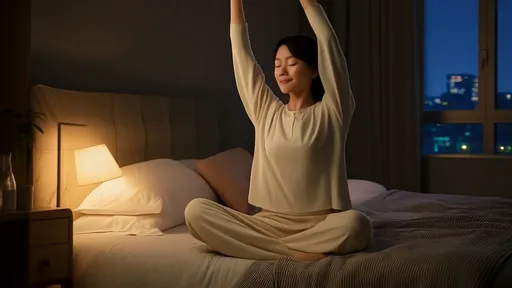
You know that feeling when you lie down after a long day, but your body just won't relax? Your mind races, your muscles feel tight, and sleep feels miles away. I spent years struggling with exactly that—tossing and turning while my stress levels skyrocketed. Then I discovered something so simple it almost seemed too good to be true: a consistent pre-sleep stretching routine. What started as a desperate attempt to unwind transformed into the single most impactful habit I've added to my life.
Beyond just helping me fall asleep faster, stretching before bed addressed issues I didn't even realize were connected to my nighttime restlessness. We'll explore the science behind why evening stretching works so well, walk through my exact 10-minute routine, tackle common mistakes that sabotage progress, and discuss how this practice reshaped my entire relationship with sleep. By the end, you'll have everything needed to create your own wind-down ritual that actually sticks.
When most people think of stretching, they picture gym class or pre-workout warmups. But stretching before bed operates on completely different physiological principles. Your body naturally cools down as you prepare for sleep, and gentle stretching enhances this process by improving circulation without raising your core temperature significantly. This temperature drop is crucial for triggering sleep hormones like melatonin.
Meanwhile, stretching activates your parasympathetic nervous system—the part responsible for rest and digestion. I noticed the difference almost immediately. Instead of lying there with my heart pounding from the day's stresses, I could actually feel my body shifting into recovery mode. The stretches provided physical feedback that signaled safety to my brain, essentially telling my fight-or-flight response to stand down for the night.
Creating an effective routine doesn't require fancy poses or extreme flexibility. My game-changing sequence focuses on areas where most people carry tension—neck, shoulders, hips, and hamstrings. Start with seated neck tilts: gently lower your right ear toward your shoulder, hold for three deep breaths, then switch sides. Move to a seated spinal twist: sit cross-legged, place your right hand on your left knee and left hand behind you, gently twisting your torso.
The most transformative stretch for me has been legs-up-the-wall. Simply lie on your back and rest your legs vertically against a wall. This pose relieves swollen feet and tired legs while creating a calming inversion. Finish with a happy baby pose—lying on your back, grabbing the outsides of your feet with your knees bent outward. It might look silly, but it releases hip tension like nothing else. The key is moving slowly and breathing deeply through each stretch rather than pushing for maximum flexibility.
Many beginners make the mistake of treating bedtime stretching like a workout. Pushing too hard or bouncing during stretches activates your muscles rather than relaxing them. I learned this the hard way when I'd end up more awake than when I started. The goal isn't to increase your flexibility overnight—it's to release tension gradually. If you feel sharp pain, you've gone too far. Aim for mild discomfort that fades as you breathe into the stretch.
Another frequent error involves timing. Stretching right before hopping into bed works for some, but I found leaving a 15-minute buffer works better. This gives your body time to complete the relaxation process without interruption. Don't check emails or scroll through social media during this buffer period either—the mental shift matters as much as the physical one. Keep the lighting low and maybe play some soft music to enhance the transition.
What surprised me most wasn't just the physical relaxation, but how stretching became a moving meditation. Those ten minutes became my daily opportunity to check in with my body without judgment. Where was I holding tension today? Was it in my shoulders from hunching over the computer? In my jaw from clenching during a stressful call? The stretches gave me awareness I could carry into the next day.
This practice also created what psychologists call a "conditional response." After about three weeks, my body began associating the stretching routine with sleep. Just starting the first pose would trigger yawns and that heavy-eyed feeling I'd previously struggled to achieve. The ritual itself became as powerful as the stretching—dimming the lights, rolling out my mat, and consciously transitioning from doing mode to being mode.
You don't need perfect mobility or huge blocks of time to benefit. When I traveled for work, I developed a simplified version I could do on hotel room floors or even seated on the bed. For those with physical limitations, focus on what's accessible—maybe that's gentle ankle rotations while watching TV or shoulder rolls at your desk before heading to the bedroom. The principle remains the same: intentional movement with breath awareness.
Parents often tell me they can't find ten uninterrupted minutes. I've found ways to involve children too—my nephew now joins me for "sleepy time stretches" when he sleeps over. We make it playful with animal-themed poses like "sleepy cat" and "tired butterfly." The important thing is consistency over perfection. Even three minutes of conscious stretching yields more benefit than skipping it entirely because you can't complete the full routine.
After six months of consistent practice, I noticed changes extending far beyond better sleep. My posture improved from regularly releasing shoulder and hip tension. Morning stiffness disappeared. I felt more present during daytime activities because I wasn't constantly fighting fatigue. The pre-sleep stretching created space to process the day's events rather than carrying them into my dreams.
Perhaps most importantly, I developed compassion for my body's needs. Instead of pushing through exhaustion or relying on sleep aids, I now have a tool that honors my body's natural rhythms. On particularly stressful days, the stretching routine grounds me when nothing else can. It's become less about preparing for sleep and more about closing each day with intention.
Like any new habit, the initial excitement eventually wears off. What helped me through that phase was tracking not just sleep quality, but how I felt during the stretches themselves. Some nights I'd notice my hips were tighter—usually correlating with days I'd been sitting more. Other times I'd feel emotional release during certain poses. This variation kept the practice interesting and responsive to my body's changing needs.
I also stopped treating it as optional. Just as I brush my teeth before bed, I now stretch. The mat lives permanently beside my bed as a visual reminder. On exhausted nights, I give myself permission to do just two or three favorite poses rather than the full sequence. Showing up consistently, even in modified form, matters more than perfect execution.
Stretching before bed transformed my relationship with both waking and resting. It taught me that small, consistent practices often create bigger shifts than dramatic overhauls. The tension we accumulate each day doesn't just disappear—we need to actively release it. This simple ritual gave me back control over my evenings and quality of sleep I thought was lost forever.
Your version might look different than mine, and that's perfect. Start with one stretch tonight—perhaps the legs-up-the-wall pose that changed everything for me. Listen to what your body needs rather than following any rigid protocol. The goal isn't perfect form but peaceful transition. However you begin, you're taking the first step toward reclaiming your nights and waking up to more energized days.
My joints used to ache every morning like clockwork. After years of popping over-the-counter pain relievers, I finally decided to address the root cause: chronic inflammation. It felt like a monumental task until I focused on my diet. The transformation wasn't overnight, but incorporating three specific foods genuinely changed how my body feels. By the end of this read, you'll understand which foods made the biggest difference, how to easily add them to your meals, and the common mistakes people make that can sabotage their progress.
The Day I Decided to Walk 10,000 Steps It started with a casual glance at my fitness tracker. I hadn't hit my step goal in weeks. Like many people, I spent most of my day sitting—at my desk, in my car, on my couch. The idea of walking 10,000 steps seemed almost impossible, something only fitness enthusiasts did. But something clicked that day.
I used to be that person who caught every cold going around the office. It felt like a seasonal ritual—sniffles in autumn, a full-blown flu by winter. I tried everything from loading up on vitamin C to drowning in herbal teas, but nothing provided that robust, lasting shield I desperately wanted. My turning point came after a particularly nasty bout of sickness left me exhausted for weeks. That’s when I decided to get serious about immune support and discovered a game-changing supplement that genuinely transformed my health resilience.
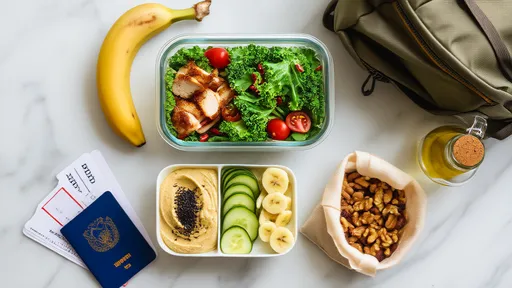
You know that moment when you're racing through a bustling terminal, your stomach starts rumbling, and you're faced with a choice between overpriced, underwhelming fast food or surviving on stale airplane pretzels? I've been there more times than I can count. As someone who travels frequently for work, I've turned airport snacking into a fine art. By the end of this, you'll have a solid game plan for delicious, nutrient-packed options that will keep you energized, save you money, and make your travel day infinitely more pleasant.
I used to be that person—the one meticulously logging every bite, mentally calculating points while chewing, feeling that familiar pang of guilt when the numbers didn't align. My fitness tracker was my bible, and the kitchen scale was my most used appliance. For years, I believed this was the ultimate path to health, the scientific method for achieving the body I thought I wanted. But something shifted. The obsession wasn't making me healthier; it was making me miserable.
There's something almost sacred about that quiet hour after the day's chaos subsides, when the world outside my window grows dark and still. For years, I'd spend those final waking moments scrolling through my phone, my mind still buzzing with unfinished to-do lists and tomorrow's anxieties. Sleep felt like a chore, something I had to force myself into rather than gently ease toward. That all changed when a friend handed me a small tin of loose-leaf chamomile tea during a particularly stressful week, little knowing she was giving me the key to transforming my entire evening routine.
You know that feeling when you scroll through wellness content and immediately feel overwhelmed? The four-hour meal prep sessions, the sixty-minute workouts, the elaborate ten-step skincare routines—it’s enough to make anyone want to give up before they even start. The truth is, sustainable health isn’t built in marathon sessions; it’s crafted in the tiny, consistent moments we often overlook. What if you could actually stick to habits that don’t require a complete lifestyle overhaul?
You know the feeling. Your heart starts racing, your thoughts spiral, and suddenly the smallest task feels like climbing a mountain. For years, I believed this was just my default state—something to be medicated or merely endured. But after hitting a wall of burnout, I went on a personal quest to find sustainable, non-pharmaceutical ways to reclaim my calm.
For years, I accepted digestive discomfort as my normal. The bloating after meals, the unpredictable bathroom trips, the constant mental calculations about where the nearest restroom was located—this was just life. I tried elimination diets, drank peppermint tea, and even cut out gluten for six months with minimal improvement. The turning point came during an important work presentation when my stomach decided to stage a rebellion mid-sentence. That embarrassing moment pushed me to seriously investigate probiotics, beyond just grabbing whatever bottle had the prettiest packaging at the supermarket.
You know that feeling when you lie down after a long day, but your body just won't relax? Your mind races, your muscles feel tight, and sleep feels miles away. I spent years struggling with exactly that—tossing and turning while my stress levels skyrocketed. Then I discovered something so simple it almost seemed too good to be true: a consistent pre-sleep stretching routine. What started as a desperate attempt to unwind transformed into the single most impactful habit I've added to my life.
You know that feeling when you look at the clock, realize you only have 20 minutes before your next meeting, and immediately write off any chance of getting a workout in? I've been there more times than I'd like to admit. The truth is, you don't need a full hour at the gym to reap the benefits of exercise. Some of my most effective workouts happen right in my living room during those tiny windows of time I used to waste scrolling through my phone.
I used to wake up feeling like my brain was wrapped in thick cotton. That mental fog would linger for hours, making it hard to focus on emails, remember simple tasks, or even hold a coherent conversation before 10 AM. I tried everything—more sleep, less screen time, expensive nootropics—but nothing delivered lasting clarity. Then, almost by accident, I stumbled upon a simple morning ritual that completely rewired my mental sharpness. It wasn't a magic pill or a complex regimen. It was a single, powerful drink.
I used to be the person who couldn't imagine going a day without something sweet. That afternoon cookie, the post-dinner chocolate, the sugary latte—they weren't just treats; they felt like necessary fuel for getting through the day. The problem wasn't just the sugar itself, but the powerful cravings and the mental fog that would hit if I tried to skip it. I felt trapped in a cycle, and "quitting sugar" sounded like a sentence to a life of deprivation and misery. But what I discovered through trial and error is that cutting sugar doesn't have to be a punishment. It's a recalibration, and you can do it without white-knuckling your way through the day.
Let's be honest, most protein bars are a punishment. You buy them with the best intentions, envisioning a healthy, convenient snack that fuels your body. What you get is a dense, crumbly brick that tastes like someone mixed sawdust with a hint of artificial chocolate and a whole lot of regret. The aftertaste lingers, a chalky reminder of your suffering. It’s a universal struggle for anyone trying to eat better without sacrificing every last bit of joy.
For years, I operated under a constant hum of anxiety. That background static of worry that made my shoulders tense, my thoughts race at 3 AM, and my heart flutter over minor inconveniences. I'd tried meditation apps, breathwork, cutting back on coffee—you name it. While these helped at the edges, the underlying current of unease remained. It wasn't until a routine check-up, where my doctor mentioned offhandedly that my stress levels might be depleting my magnesium, that I stumbled onto what would become my most powerful tool for calm.
I used to think gut health meant avoiding stomach aches and calling it a day. Then I spent three years battling fatigue, skin issues, and mood swings that no doctor could properly diagnose. The turning point came when a nutritionist asked about my gut health, and I realized I knew nothing beyond the basics. If I could go back in time, here's what would have saved me years of frustration.
I used to think I was just a bad sleeper. For years, I'd toss and turn, waking up multiple times a night feeling more drained than when I went to bed. I tried everything from expensive blackout curtains to meditation apps, but nothing seemed to address that core feeling of restless discomfort. The real game-changer, it turns out, was something I never considered: the air I was breathing.
I used to be the queen of starting fitness routines and quitting them two weeks later. My garage was a graveyard of forgotten yoga mats, dusty dumbbells, and that one weird ab roller that promised a six-pack in 30 days. The cycle was always the same: intense motivation, a brutal schedule, burnout, and guilt. Sound familiar? You're not alone. The real secret to consistency isn't about willpower; it's about building a system that works with your life, not against it. By the end of this, you'll understand how to ditch the all-or-nothing mindset, create a routine you actually enjoy, and build habits that last a lifetime without the constant internal struggle.
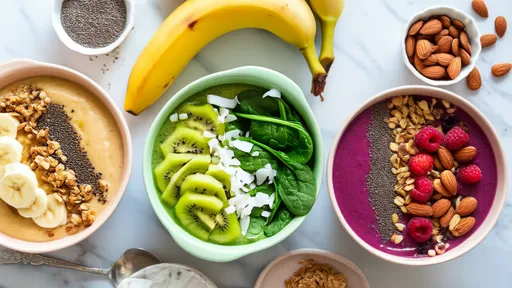
You know that mid-morning slump when your stomach starts rumbling just two hours after breakfast? Or that 3 PM craving that derails your entire afternoon? I used to battle constant hunger pangs until I discovered the magic of strategic smoothie-making. The secret isn't just about throwing fruit into a blender—it's about a deliberate combination of fiber, protein, and healthy fats that work together to keep your blood sugar stable and your appetite satisfied for hours on end.